I brainstormed several concepts for the "Time and Memory" assignment, initially considering:
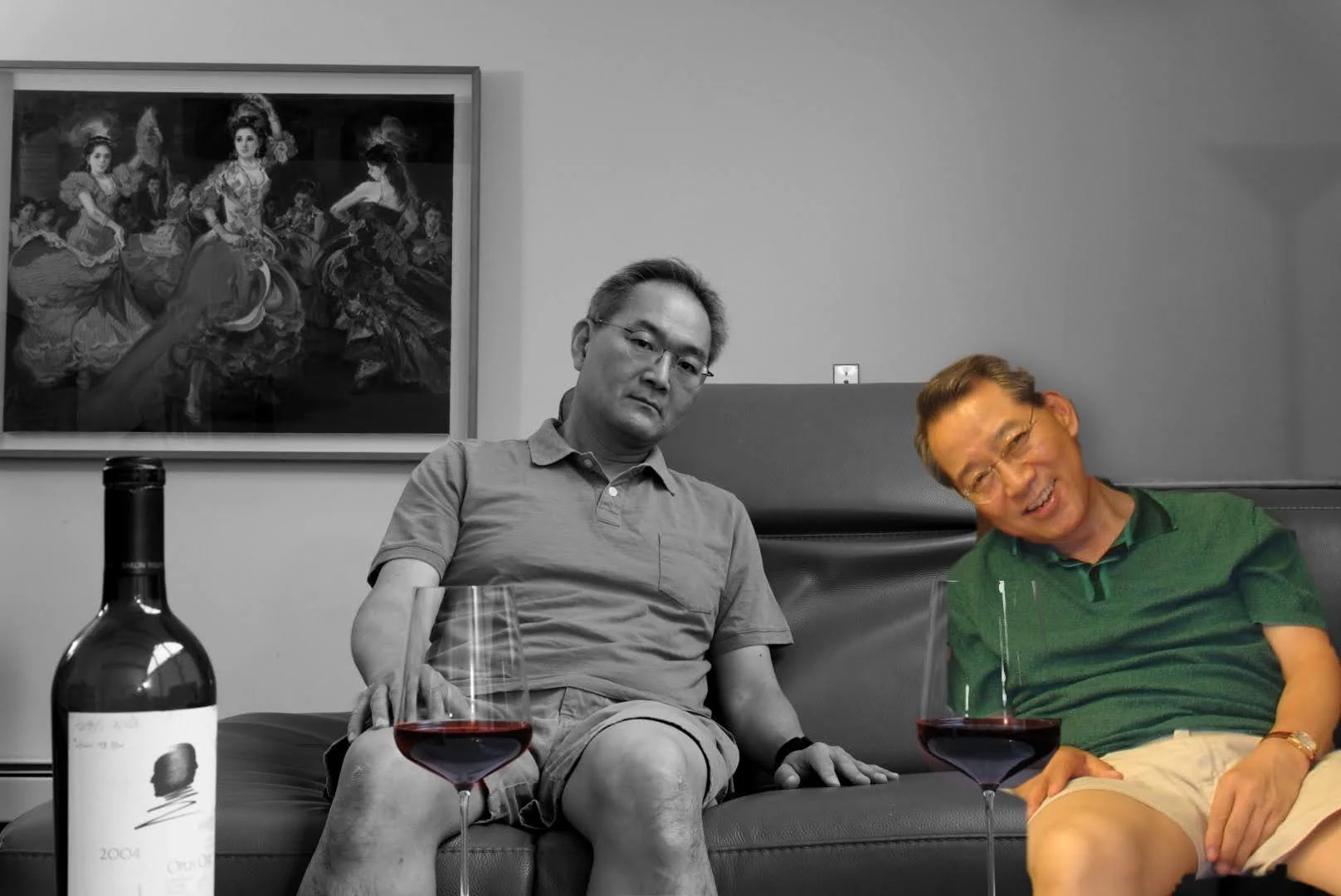
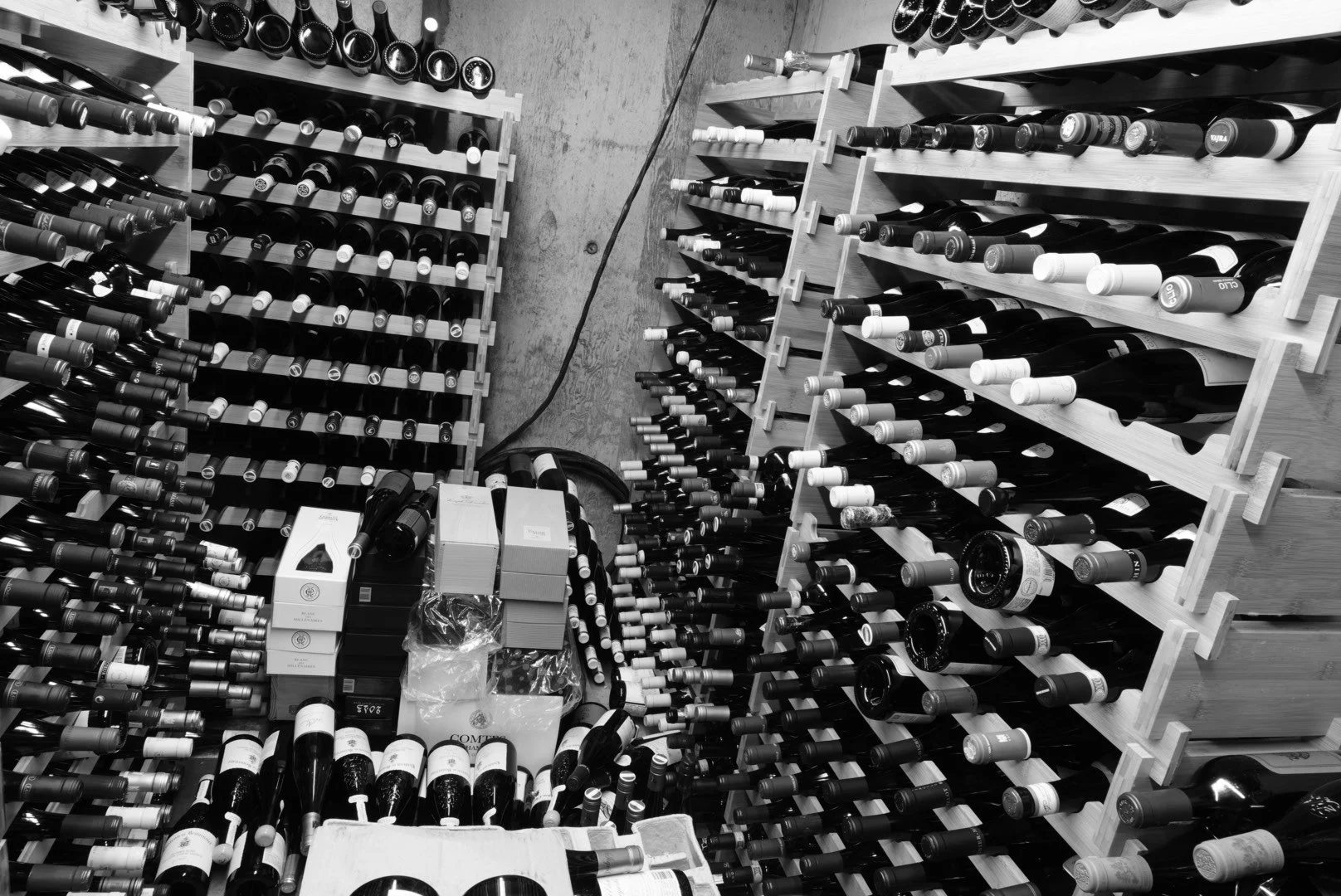
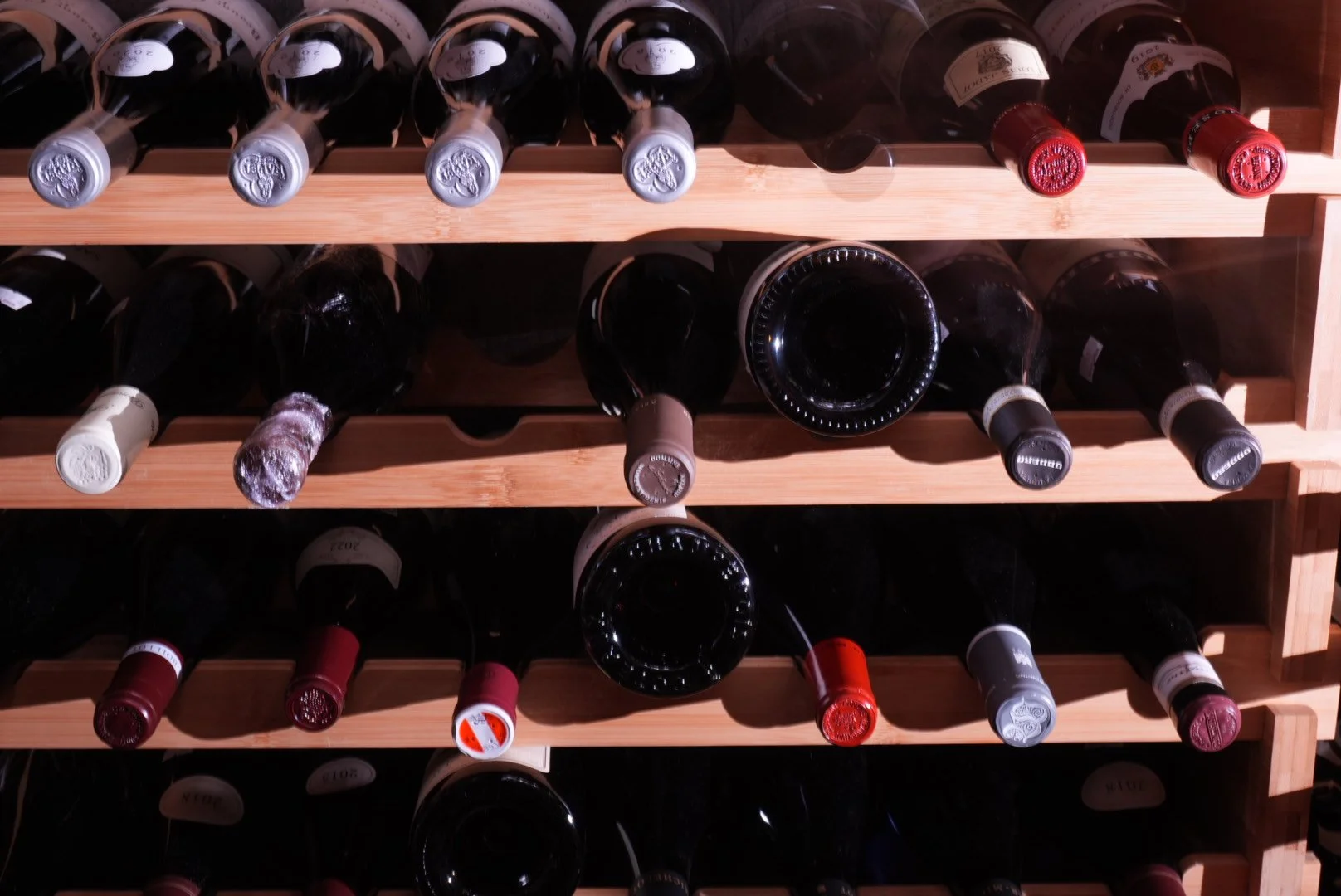
Connecting generations through wine: Reflecting on my father and the origins of my interest in wine. Purchasing wines with a 50-year drinking window connects time across generations—from my father to me, and eventually to my children.
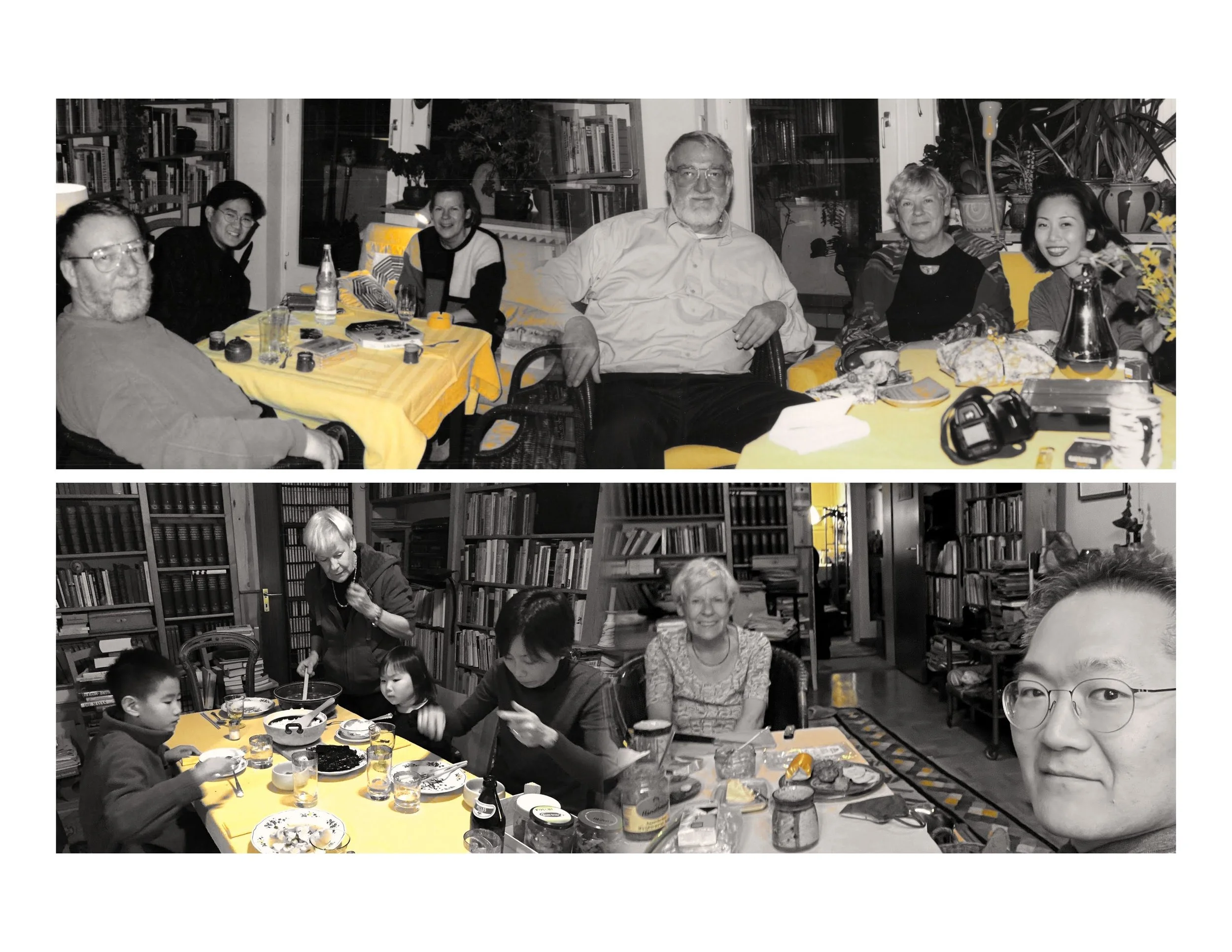
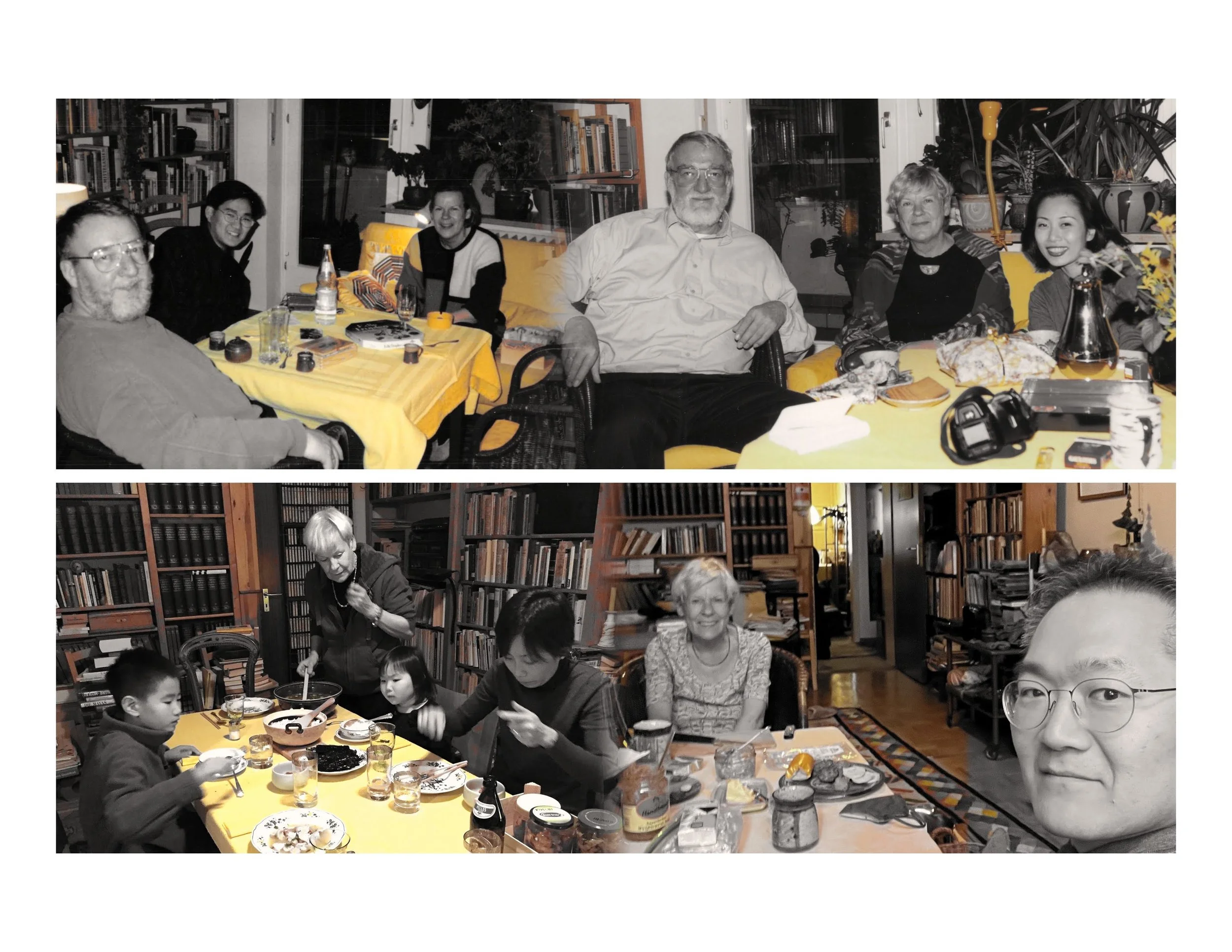
Memories of Horst & Regine: I visited their Munich apartment over 20 times between 1992 and 2022. Standout memories include my first visit during my honeymoon with Jennie in Munich and the Salzkammergut, my MBA years living in Munich, visiting with our children in 2014 (a year before Horst passed away), and returning four years ago after COVID when I began my coaching career.
My self-authoring journey: Transitioning from Samsung to the US and becoming an executive coach.
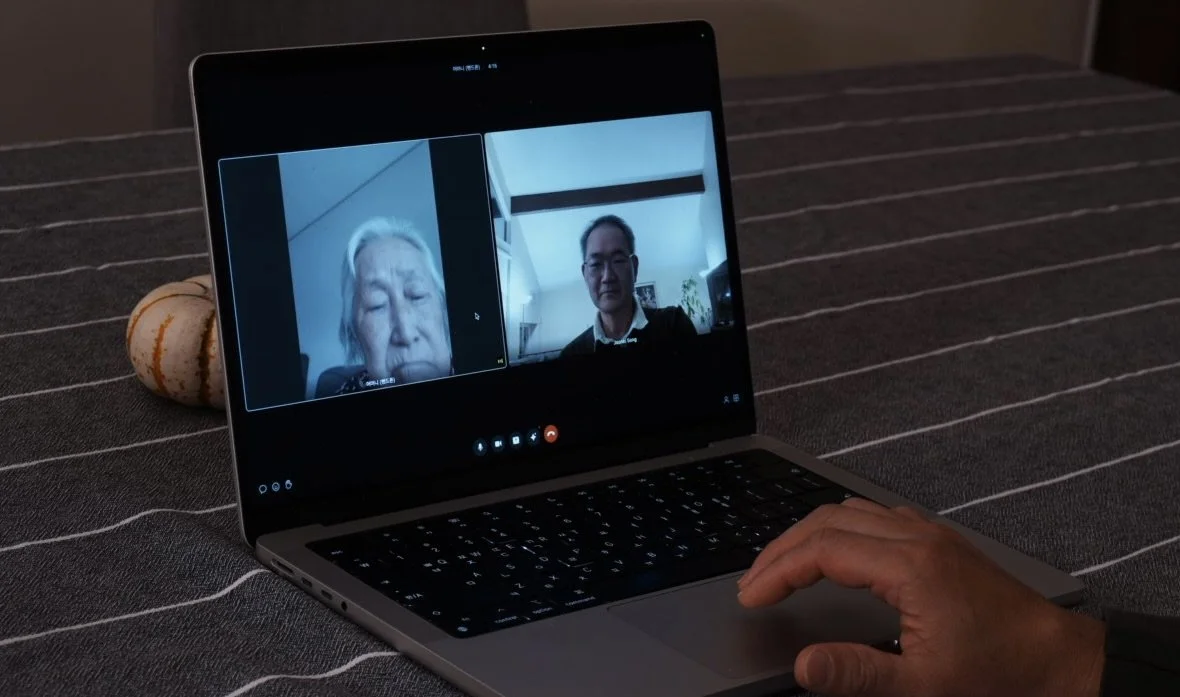
My mother and memory loss.
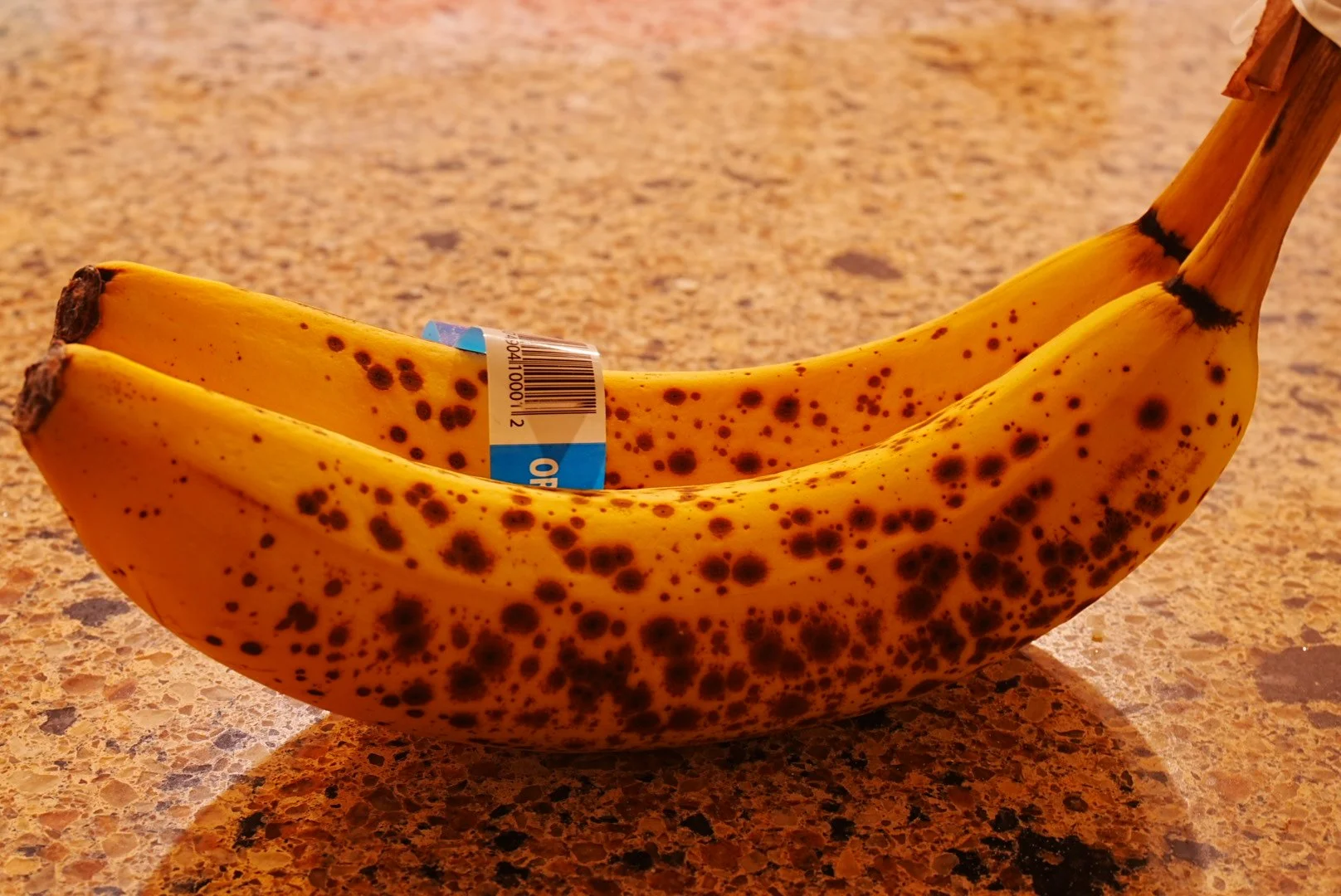
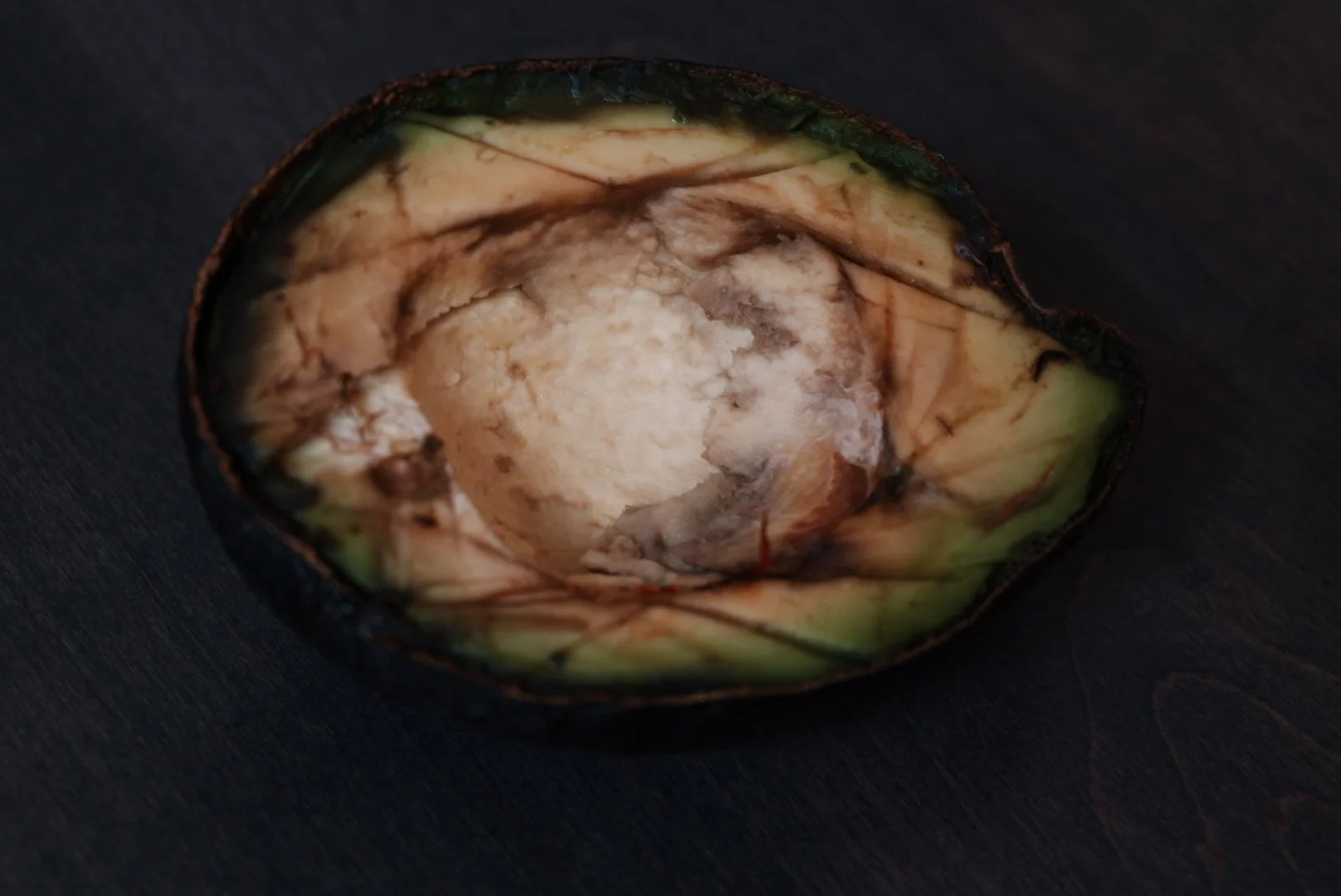
Decaying fruit (an idea suggested by Jason).
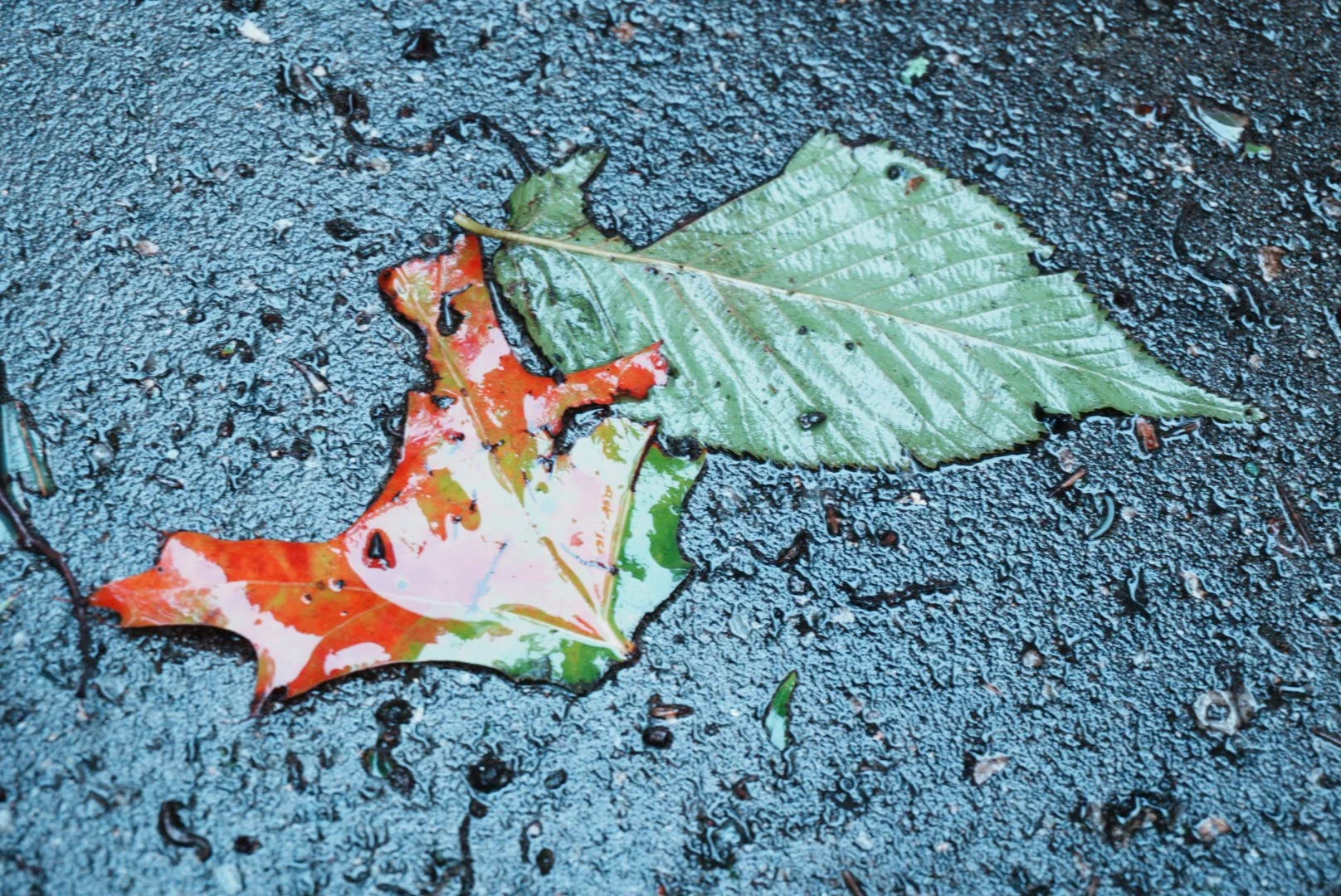
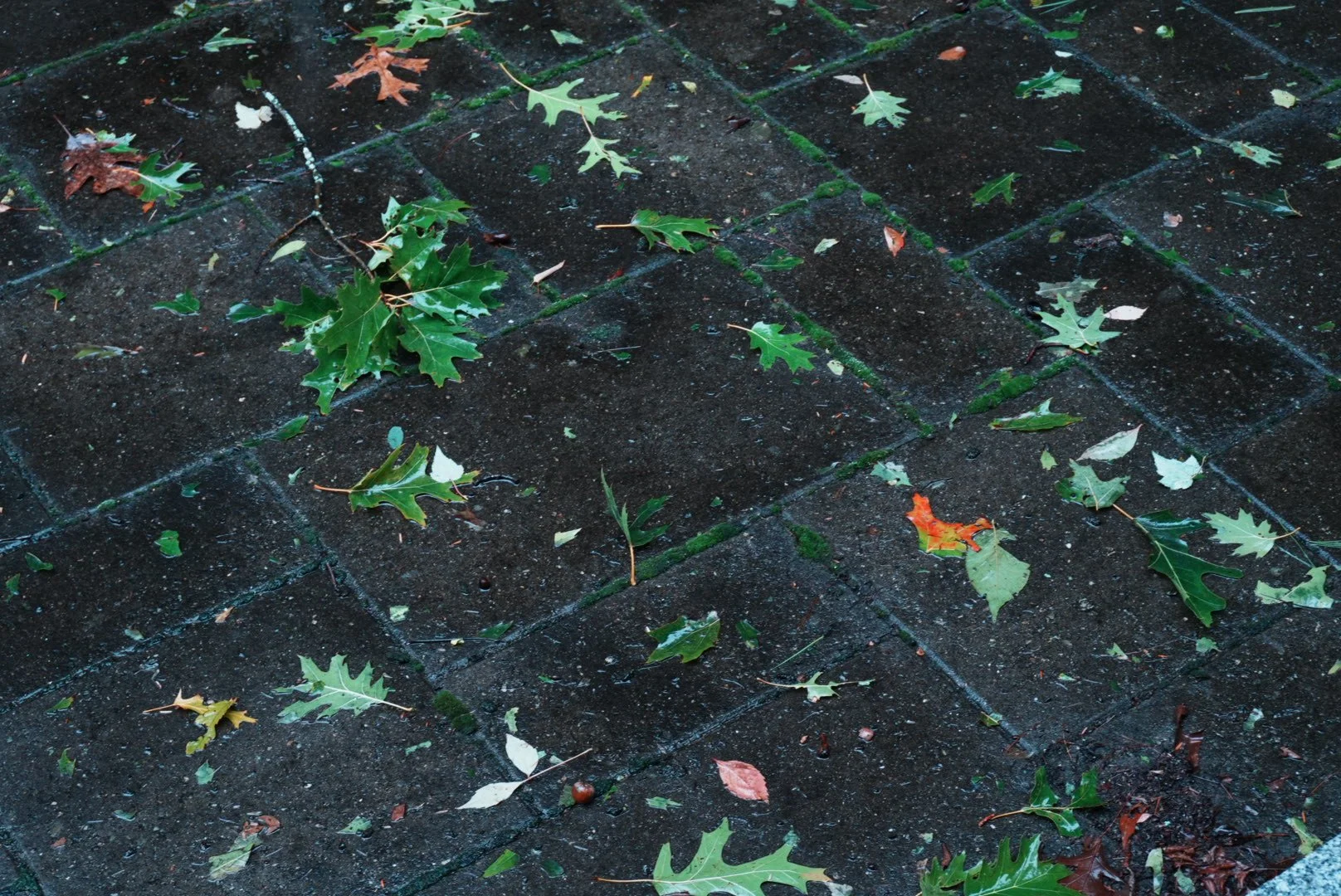
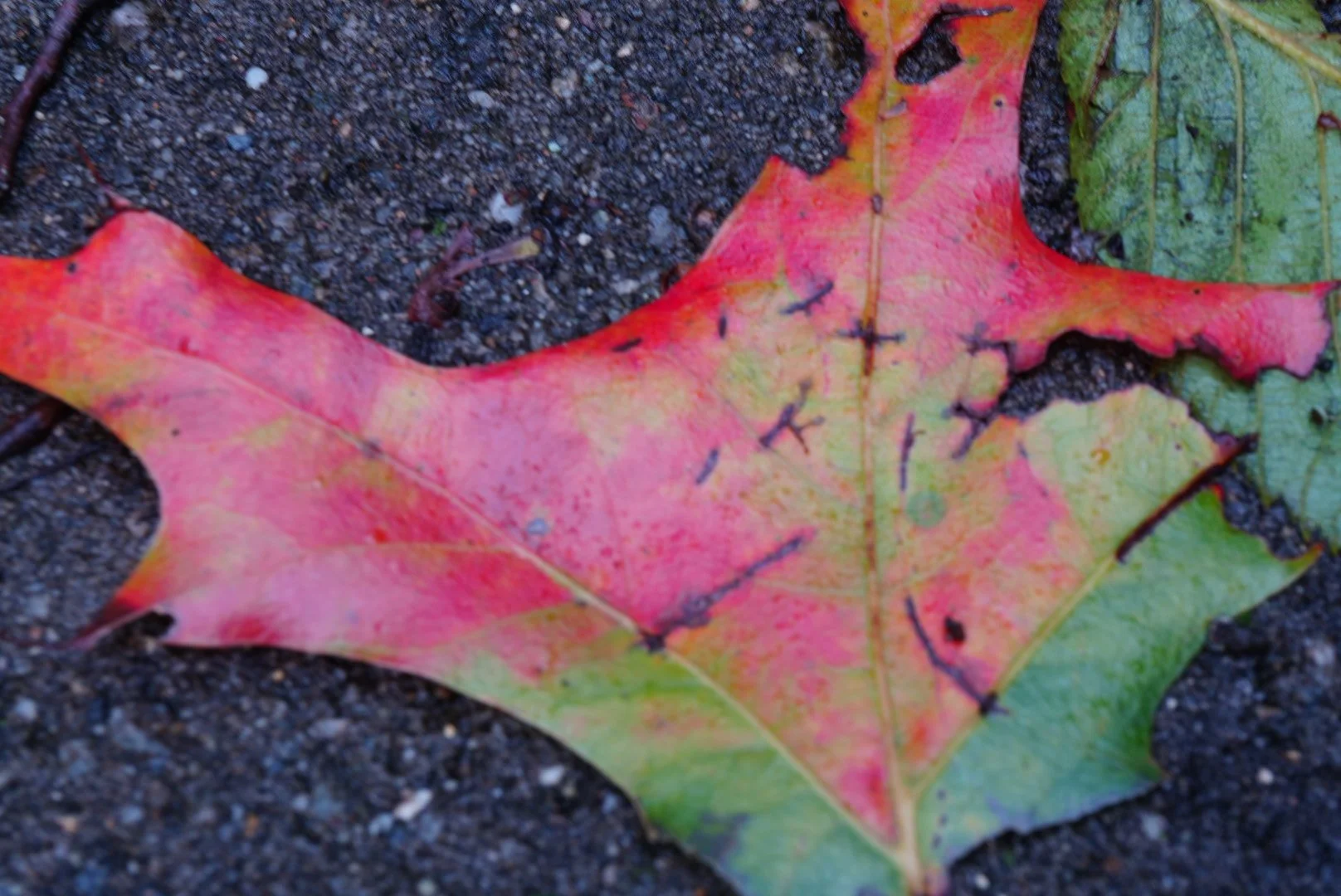
Changing leaf colors: The shifting hues of autumn leaves evoke a strong sense of passing time.
Ultimately, I presented the first six pieces (shown below) to the class and received the following feedback:
Three classmates were drawn to the photo of Regine and Horst, with one noting it felt particularly complete. The professor pointed out that there is already established photography featuring elongated dining tables by another artist.
The professor asked how I selected the objects in the avocado photo. She observed that while the photos of the leaves and the avocado share a similar composition, they evoke different feelings. Because the avocado image is clearly staged, she interpreted the background as a wooden table and questioned why it was placed outdoors.
My classmates’ work showed different ways of capturing time and memory:
Memory as vibrated and distorted images
Tracking the same people over time.
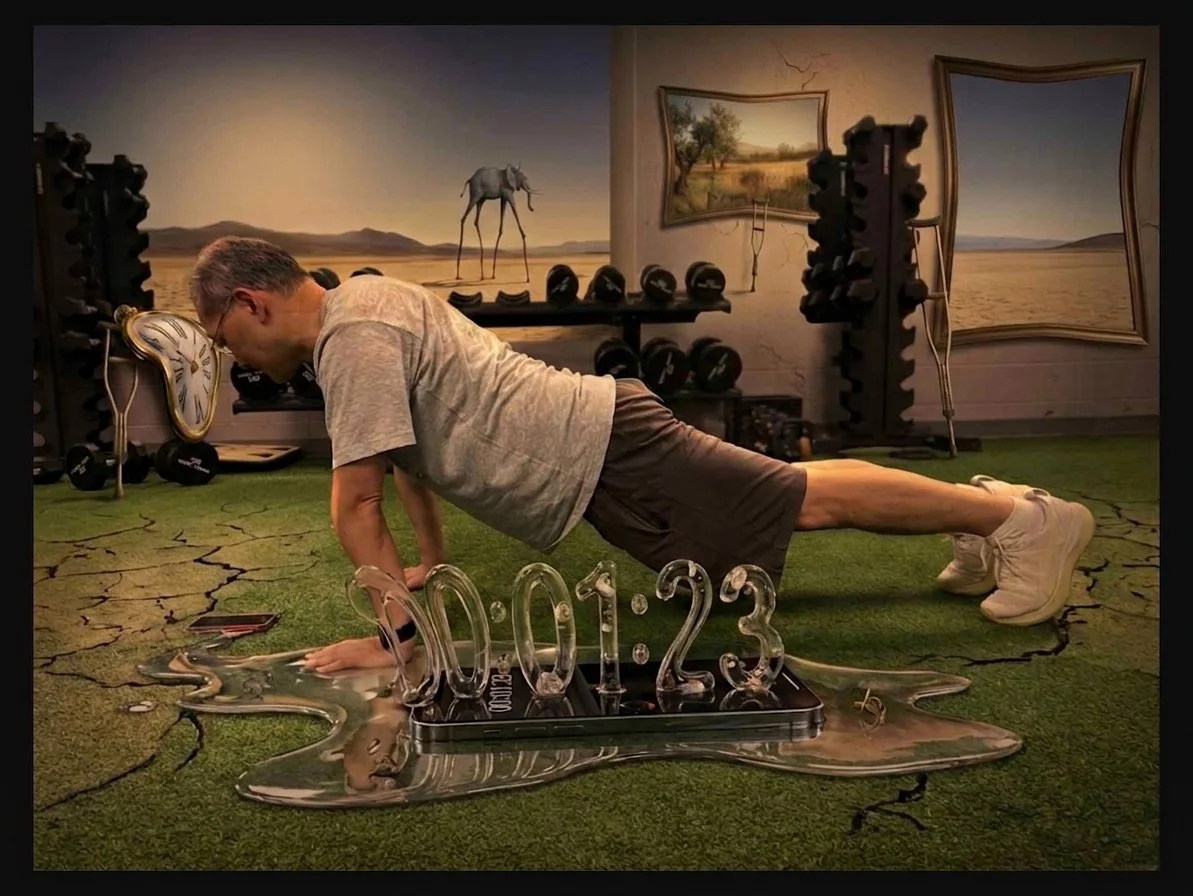
Clocks and watches that mysteriously tell (or obscure) the time.
Long-form photography that requires viewers to take their time exploring the image.
Journeys of memory through visiting cemeteries.
Through the processes, I learned
I want to pay closer attention to how I stage objects. Unlike street or landscape photography, viewers of staged photography scrutinize every object, form, and contextual detail. I need to clearly understand my intention behind every specific element.
I am left wondering: Does greater image distortion make a photo less interesting?